
Main Drain Line Cleaning in New Holland
When you need main drain line cleaning New Holland homeowners can reach in a hurry, you are in the right place. The main line carries every drain in the house to the street or the septic system, so when it clogs, nothing drains right: toilets gurgle, tubs fill when the washer runs, and the basement floor drain backs up first. We connect you with experienced local drain cleaning pros who clear main lines across New Holland and tell you straight what they find. The line is answered around the clock, you hear the price before any work starts, and you can ask about any fees before you agree.
Reach the on-call teamSound familiar?
- Several fixtures backing up at the same time
- Toilets gurgling when the washer drains
- Water rising in the basement floor drain
Multiple Drains Backing Up: Signs It Is the Main Line
The main line is the one pipe everything shares, so its symptoms show up everywhere at once. The classic pattern is multiple drains backing up together: the toilet gurgles, the tub fills a little when the washing machine drains, and the basement floor drain starts to rise. A main sewer line clog announces itself through the lowest openings first.
Learn the difference, because it decides what kind of call this is. One slow sink is a local clog in that fixture's branch. Several fixtures misbehaving at once, or sewage smells rising from a floor drain, means the restriction sits in the shared line. Tell the dispatcher exactly which fixtures are affected; that pattern is the single most useful thing you can report.
Do not try to snake a main line yourself. The cable is heavy, the runs are long, and a bound-up cable in a main line is a dangerous mess. Main line drain cleaning is pro work from the first step, and the right first step is a phone call.
The Cleanout: Where It Usually Is in New Holland Homes
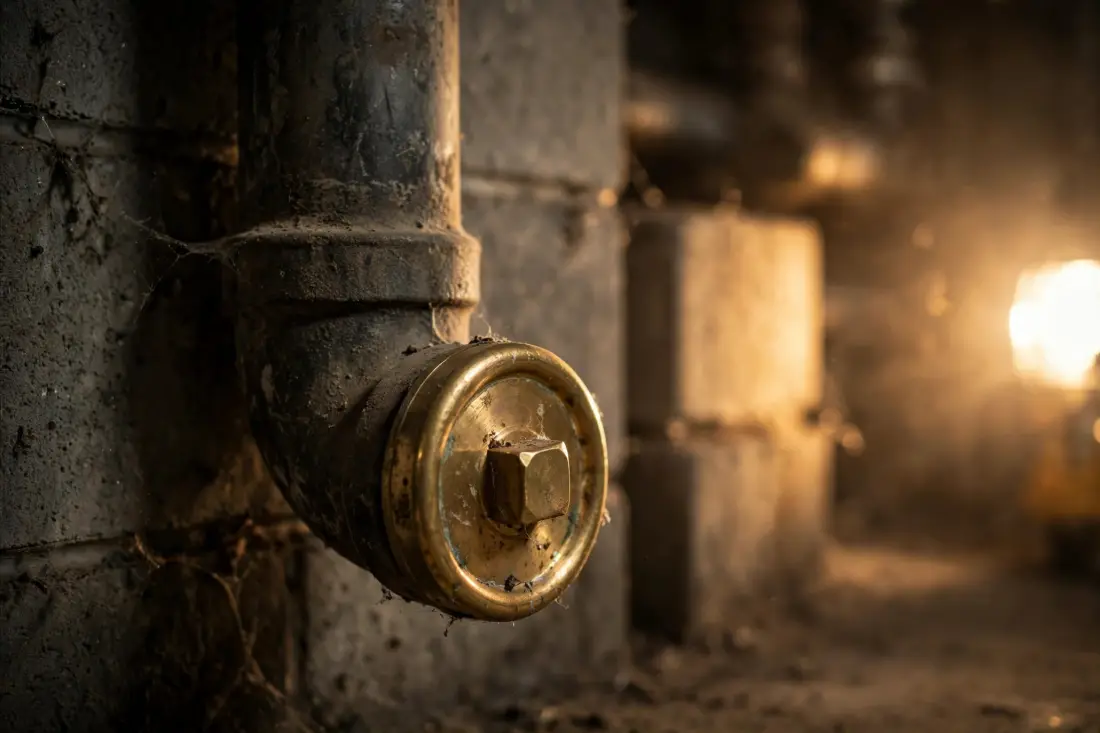
The cleanout is the capped access point the tech uses to get into the main line. In most New Holland homes it sits in the basement: either a capped pipe stubbing out of the wall where the line exits the house, or a round cap set into the floor. Some homes have one outside near the foundation. It looks like a cap on a large pipe, usually three or four inches across.
Older borough homes sometimes lack an accessible cleanout, or the cap is buried behind finished walls. That does not stop the job. The technician will find another way in and explain the options before starting. If you know where yours is, clear a path to it before the tech arrives; it saves real time.
Never open a main line cleanout yourself during a backup. The pressure behind a clogged main line can be significant, and what comes out does not go back in neatly. Leave the cap alone and let the tech handle it. Call now, fix it today
Cabling the Main Line
Cabling is the workhorse of main drain line cleaning. The tech feeds a heavy cable with a cutting head through the cleanout and runs it the length of the line, chewing through roots, sludge and whatever else has collected. Different heads do different jobs: blades for roots, retrievers for objects, smaller cutters for scale.
What cabling does is restore flow. It opens the line back up so every fixture drains again. What it does not do is change the pipe itself: a cracked joint or a belly in the line is still there when the cable comes out. For a first main line clog, that is usually fine. For the third clog in a year, it is a sign the pipe needs a look, not just another clearing.
When the line is coated in grease or packed with sludge along its whole length, the tech may follow cabling with hydro jetting to scour the pipe walls clean. The two methods do different jobs, and a straight tech will tell you which one your line actually needs.
Main Drain Line Cleaning in New Holland: Roots and Older Pipe
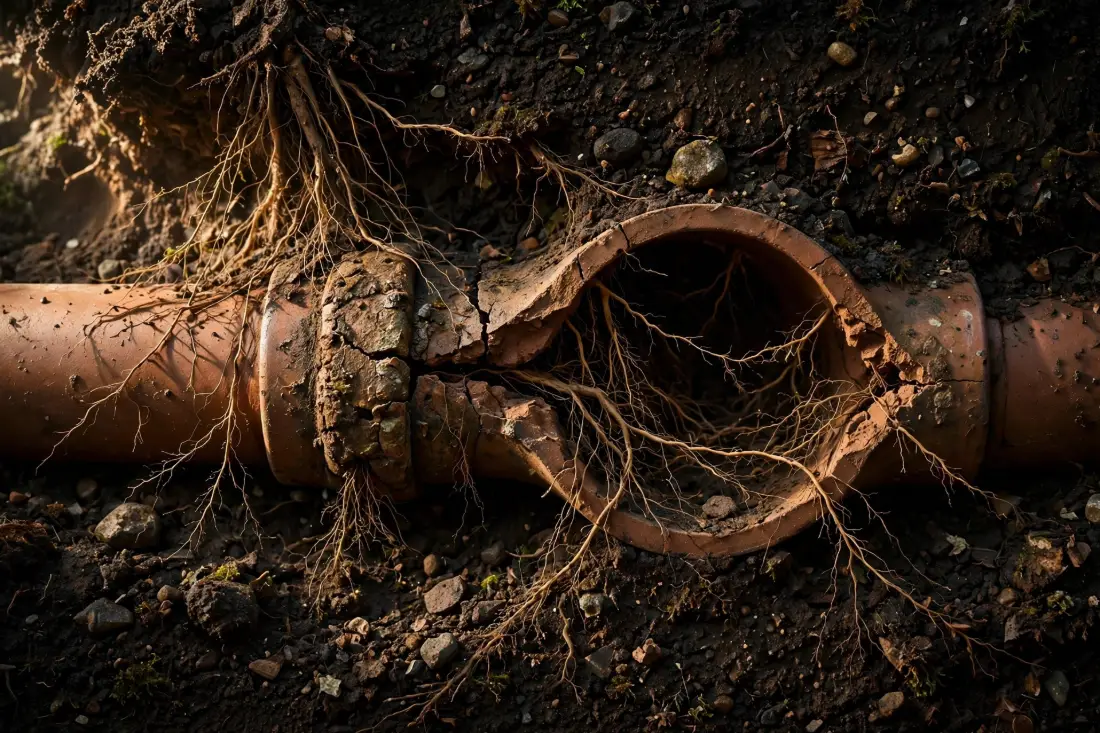
Tree roots are the most common main line problem in older New Holland homes, and the reason is the pipe. The borough's oldest lines are clay and cast iron with jointed sections, and roots find those joints the way water finds a crack. A fine root hair enters at a joint, feeds on the flow inside, and thickens year after year until the line is choked.
Mature trees make it a neighborhood pattern rather than a one-house fluke. Streets with big old shade trees and clay lines see root clogs the way newer subdivisions see grease clogs. The 1980s to 2000s subdivisions around Earl Township mostly run PVC with glued joints, which resists roots far better; their main line calls are usually about buildup, not intrusion.
Cutting roots restores flow without digging, which covers the large majority of root calls. But clearing does not seal the joints the roots entered through, so regrowth over time is normal. If the pipe itself has failed, replacement is a different trade entirely; the tech will tell you plainly and point you in the right direction.
When Camera Inspection Is the Next Step
Some main line jobs end with the cable. Others need eyes inside the pipe. A camera inspection makes sense when backups repeat, when cabling barely helps, or when the tech feels something in the line that does not feel like a normal clog. The video shows roots, bellies, offsets, cracks and buildup in plain view.
The camera also locates the problem. The tech can mark the exact spot in the yard where the trouble sits, which matters if any digging ever becomes necessary. And after a clearing, a camera pass confirms the line is actually open, not just barely passable.
If your main line keeps clogging, read our page on drain camera inspection before the next backup forces the question. Knowing what the pipe looks like turns every future decision into an informed one. Get a straight answer by phone
Main Lines in New Holland Homes
New Holland's main lines follow its housing history. In the borough, 18th and 19th century homes and early-20th-century blocks run the oldest clay and cast iron lines, often under tight lots with mature trees overhead. That combination, old joints plus thirsty roots, is why main line calls cluster in the oldest neighborhoods. Basements are common there too, which means a floor drain ready to warn you early.
The subdivisions of Earl Township, built mostly from the 1980s on, run PVC main lines that handle roots far better. Their main line trouble is usually buildup from years of grease and sludge, not intrusion. In the village of Martindale, many homes sit on larger lots with on-lot septic, and drain cleaning in Martindale covers the main building drain inside the house and to the cleanout; septic tank pumping, repair and inspection are a different trade and not part of this service.
Cold winters stress buried lines across the whole area. Freeze-thaw cycles shift soil around older pipes, which can worsen an already weak joint. If your backups follow the coldest months, mention it on the call. Across the subdivisions, drain cleaning in Earl Township main line visits often pair cabling with a camera look, since knowing the pipe's condition prevents the next surprise.
While You Wait
- Stop using water in the house if more than one fixture is backing up.
- Do not pour chemical drain cleaner down any drain; it can harm pipes and the technician.
- Keep children and pets away from backed-up water.
- Move valuables away from the basement floor drain.
- Note which fixtures are affected and when it started; it speeds the diagnosis.
Main Drain Line Cleaning FAQs
The giveaway is pattern, not one fixture. Several drains slowing at once, toilets gurgling when the washer runs, and water rising in the lowest drain in the house all point to the main line. One slow sink on its own is almost always a local clog instead.
In most New Holland homes the cleanout is in the basement, either a capped pipe stubbing out of the wall where the line exits or a cap set in the floor. Some homes have one outside near the foundation. It looks like a round cap on a large pipe, usually three or four inches across.
Older homes sometimes lack an accessible cleanout, and the technician works around it. There are other access points a pro can use, and the tech will explain the options on site. Do not open the line yourself; the pressure behind a main line clog can be significant.
Yes, in most cases. A cutting head on the cable shears roots off inside the pipe and restores flow without any digging. Clearing removes the roots that are there now; it does not seal the joints they entered through, so regrowth over time is normal and worth watching.
The floor drain is usually the lowest opening in the house plumbing. When the main line is restricted, wastewater takes the path of least resistance, which is up through that low drain. It is actually a useful early warning: the main line is telling you it is in trouble before the upstairs fixtures are.
Clearing restores full flow, which stops the backups you are seeing now. It does not change the condition of the pipe, so a line with heavy root intrusion or damage can clog again. That is why repeat backups deserve a camera inspection: it shows whether clearing is enough or the pipe needs a different plan.
Treat it as urgent. A main line backup can send wastewater up through floor drains and tubs, and using more water only adds to it. Stop running water, keep people and pets away from any backed-up water, and call right away. Calls are answered 24/7.
Yes. Every flush and every load of laundry adds water that has nowhere to go, which pushes more of it up through the lowest drains. Stop all water use until the line is cleared. The technician will tell you when it is safe to run fixtures again.
Main Drain Line Cleaning New Holland Can Call Any Hour
For main drain line cleaning New Holland homeowners can reach day or night, call (223) 245-0051. Lines are answered 24/7, and pricing comes before any work.
Book your main drain line cleaning visit